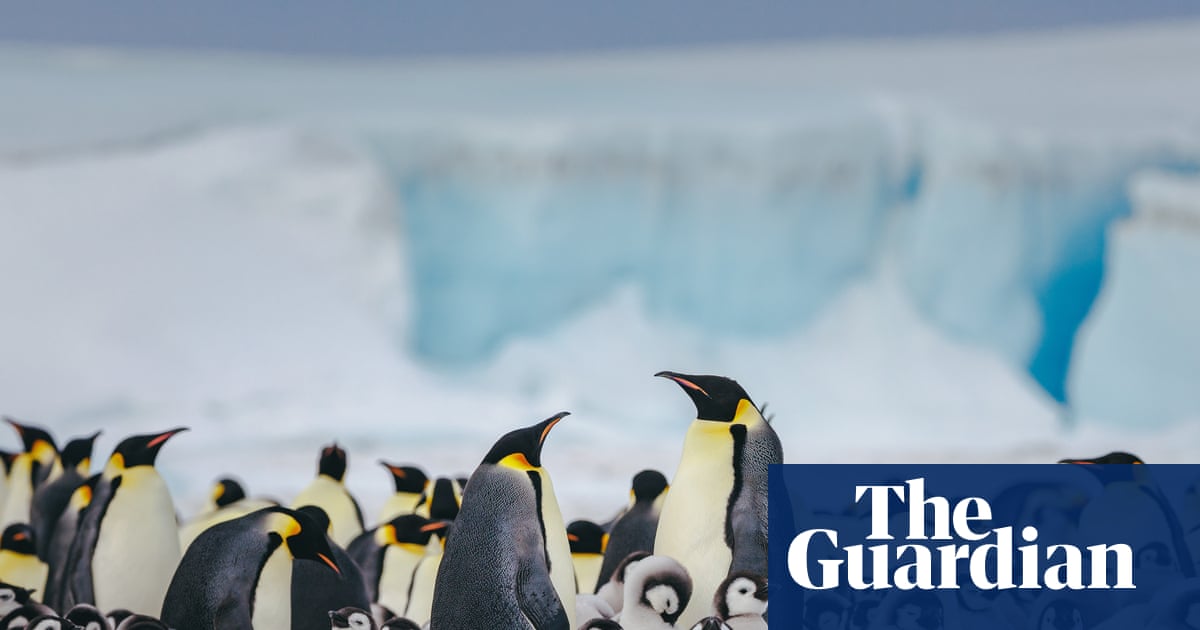
Penguin droppings are helping Antarctic snow melt more quickly, according to a study reported by The Guardian. Researchers found that the birds spread guano across snowfields, which fertilises snow algae and encourages the growth of green blooms that take in more solar energy than their red counterparts. The work was carried out along the coast of the West Antarctic peninsula, in areas both with and without penguin colonies.
The findings were published in the Journal of Geophysical Research: Biogeosciences. The team was led by Alia Khan of the University of Colorado, who collected samples of red and green snow algae for the analysis.
Why it matters
Antarctic melting projections currently do not factor in this process, The Guardian reports. That omission could prove significant, especially as penguins are moving closer to the south pole as temperatures rise, which would extend the phenomenon over a wider area.
The mechanism sits at the intersection of wildlife behaviour and surface melt. Nutrients from the birds change the colour of the snow, and colour governs how much sunlight the surface absorbs. A darker, greener snowpack takes in more energy and therefore melts sooner than a red one.
How nutrients change the colour of snow
Snow algae are single-celled plants that survive in some of the coldest environments on Earth. Their behaviour depends on how much nutrition is available to them.
When nutrients are in short supply, the algae generate red pigments. These act as a shield against the sun and hold back the organism's growth. When nutrients are plentiful, the algae multiply instead, filling their cells with green chlorophyll to drive photosynthesis and expand. The result is a visible shift in the snow's colour.
According to the study, snow holding green algae absorbs considerably more solar energy than snow holding red algae, and so it melts at a faster rate. The difference in energy uptake is what links the algae's nutritional state to the speed of melting.
To test how penguin waste feeds into this, Khan and her colleagues gathered samples of both red and green algae from coastal sites on the West Antarctic peninsula. They compared locations where penguin colonies are present with locations where they are not. The Guardian reports that the team held their noses while doing the fieldwork.
The samples showed that the birds distribute guano over snowfields as they move about, unintentionally supplying the algae with nutrients. This drives more green blooms, which in turn makes the snow more prone to melting.
A feedback that projections leave out
The research points to a chain of effects: penguins deposit waste, the waste enriches the snow, the algae respond by turning green, and the greener surface absorbs more sunlight and melts faster. None of this is currently reflected in estimates of how much Antarctic ice and snow will be lost.
The geographical reach of the effect is also likely to grow. As temperatures climb, penguin populations are shifting nearer to the south pole, The Guardian reports. Each move brings the birds' guano into contact with new snowfields, which could bring the algal response with it.
The study does not offer a figure for how much additional melting the process causes, and the projections that exclude it remain in use. What the work establishes is that a biological input — the waste of a seabird — can alter the physical behaviour of the snow surface, a link that had not previously been recognised in this context.
Watch for follow-up research that quantifies how much melting the algal blooms add, and for whether future Antarctic melt models begin to include penguin-driven nutrient input as the birds' range continues to shift south.